Introduction
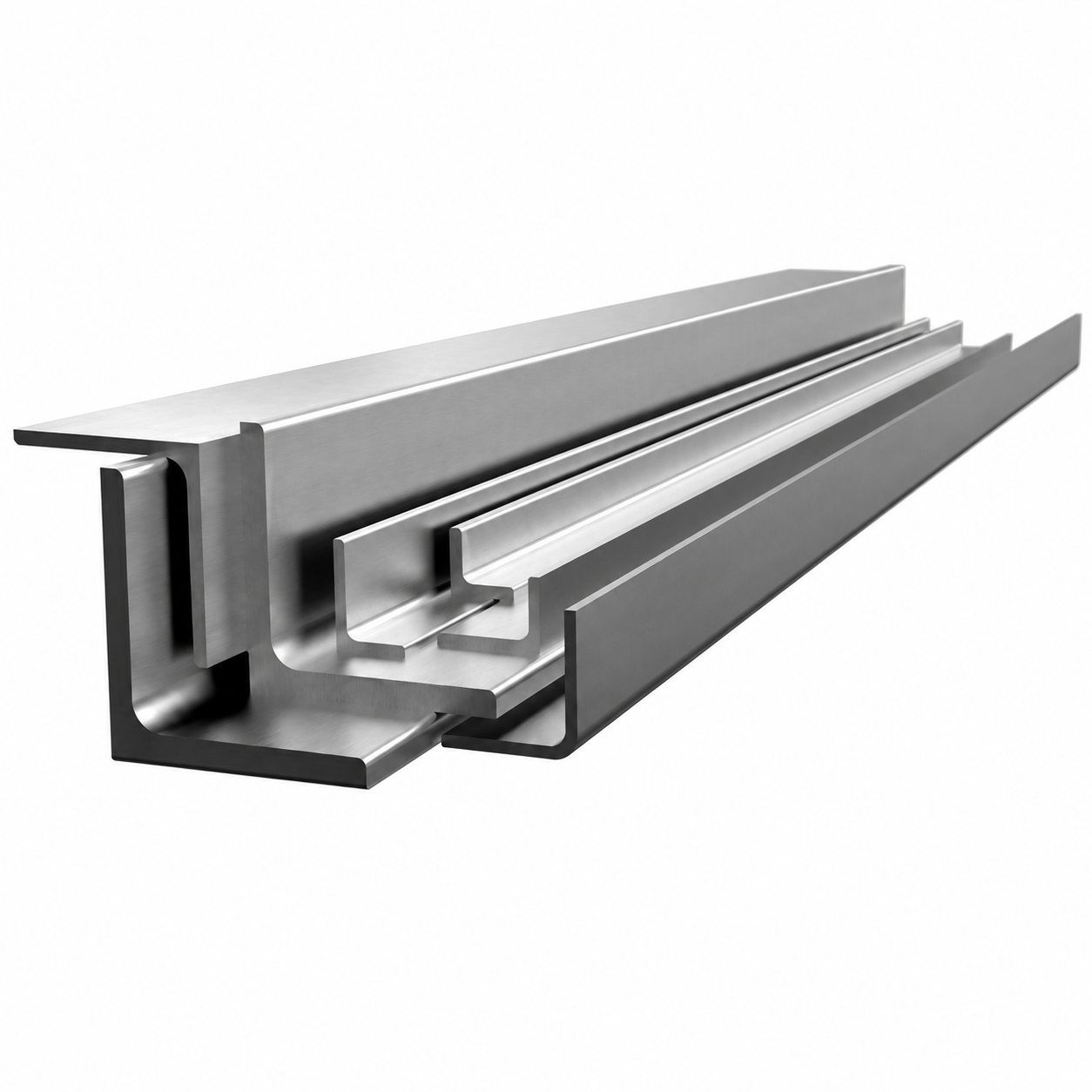
Aluminium Angles are versatile structural components widely used across construction, engineering, manufacturing, and architectural industries. Manufactured in an L-shaped profile, these angles provide excellent strength, support, and stability while maintaining the lightweight characteristics of aluminium. Due to their superior corrosion resistance, durability, and ease of fabrication, aluminium angles have become a preferred choice for both indoor and outdoor applications.
Aluminium Angles are designed to offer reliable structural support in frameworks, brackets, shelving systems, machinery, transportation equipment, and architectural installations. Their high strength-to-weight ratio makes them an ideal alternative to heavier materials such as steel, especially in applications where weight reduction is important. In addition, aluminium naturally forms a protective oxide layer that helps resist corrosion and environmental damage, ensuring long-lasting performance with minimal maintenance.
At HHhub, we provide premium-quality Aluminium Angles in multiple grades, dimensions, and finishes to meet the diverse requirements of industrial, commercial, and residential projects. Our products are sourced from trusted manufacturers and comply with industry quality standards to ensure consistent performance and reliability.
Applications
Aluminium Angles are extensively used in various industries because of their excellent mechanical properties and adaptability. In the construction industry, they are commonly used for framing, support structures, roofing systems, window frames, door frames, and decorative architectural elements. Their lightweight nature simplifies installation while reducing overall structural load.
In manufacturing and industrial environments, aluminium angles are utilized in machinery frames, equipment supports, storage racks, conveyors, and fabrication projects. Their ease of machining allows manufacturers to cut, drill, weld, and assemble them according to specific design requirements.
The transportation sector also benefits significantly from aluminium angles. They are used in automotive components, railway coaches, truck bodies, trailers, marine structures, and aerospace applications where weight reduction contributes to improved efficiency and performance.
Furniture manufacturers use aluminium angles in tables, cabinets, shelving units, display systems, and modular furniture designs. Their attractive appearance and resistance to rust make them suitable for both functional and decorative applications.
Additionally, aluminium angles are widely used in electrical installations, solar panel mounting structures, signage systems, exhibition booths, and infrastructure projects where durability and corrosion resistance are essential.
Available Alloys
HHhub offers Aluminium Angles in a variety of alloys to suit different application requirements.
Alloy 6061 is one of the most commonly used structural grades, known for its excellent strength, weldability, and corrosion resistance. It is suitable for heavy-duty industrial and engineering applications.
Alloy 6063 is widely preferred for architectural and decorative applications due to its superior surface finish and excellent extrusion characteristics. It provides good corrosion resistance and is commonly used in building and construction projects.
Alloy 6082 offers higher strength and durability, making it ideal for structural applications that require enhanced load-bearing capacity and mechanical performance.
Other aluminium alloys may also be available based on project specifications and customer requirements. Our team can assist in selecting the most suitable alloy depending on the intended application, environmental conditions, and performance expectations.
Available Sizes & Thickness
Aluminium Angles are available in a wide range of sizes and thicknesses to accommodate various industrial and commercial applications. Standard leg dimensions typically range from small profiles suitable for light-duty fabrication to larger sections designed for structural support and engineering projects.
Thickness options generally start from lightweight gauges for decorative and architectural purposes and extend to heavier sections required for load-bearing applications. Custom lengths and dimensions can also be arranged based on specific project requirements.
At HHhub, we understand that every project has unique specifications. Therefore, we provide flexible supply options and customized solutions to ensure customers receive products that precisely match their needs.
Why Choose HHhub
HHhub has established itself as a trusted supplier of premium aluminium products by consistently delivering quality, reliability, and customer satisfaction. We understand the importance of sourcing materials that meet exact project requirements, which is why we offer a comprehensive range of Aluminium Angles in multiple grades, sizes, and finishes.
Our commitment to quality ensures that every product undergoes careful selection and verification before reaching customers. We maintain strong relationships with leading manufacturers and suppliers, enabling us to provide competitive pricing without compromising on quality.
Customers choose HHhub because of our extensive product range, timely delivery, professional support, and dedication to customer service. Whether you require standard aluminium angles for routine applications or customized solutions for specialized projects, our experienced team is ready to assist.
We focus on building long-term relationships by providing dependable products, transparent communication, and efficient order fulfillment. With HHhub, customers gain access to high-quality aluminium materials backed by industry expertise and reliable support.
FAQ Section
Q1: What are Aluminium Angles?
Aluminium Angles are L-shaped structural profiles made from high-quality aluminium alloys. They are widely used in construction, fabrication, engineering, and architectural applications due to their strength, lightweight nature, and corrosion resistance.
Q2: What are Aluminium Angles used for?
Aluminium Angles are commonly used in structural frameworks, support brackets, shelving systems, furniture manufacturing, machinery fabrication, transportation equipment, solar mounting structures, and architectural projects.
Q3: What are the benefits of using Aluminium Angles?
Aluminium Angles offer several advantages, including lightweight construction, excellent corrosion resistance, high strength-to-weight ratio, easy fabrication, low maintenance requirements, and long service life.
Q4: Which aluminium alloys are available for Aluminium Angles?
Aluminium Angles are commonly available in alloys such as 6061, 6063, and 6082. Each alloy provides specific benefits related to strength, corrosion resistance, weldability, and surface finish.
Q5: Are Aluminium Angles suitable for outdoor applications?
Yes, Aluminium Angles are highly suitable for outdoor environments because aluminium naturally forms a protective oxide layer that helps prevent corrosion and weather-related damage.
Q6: Can Aluminium Angles be welded and fabricated?
Yes, Aluminium Angles can be easily cut, drilled, machined, and welded, making them ideal for customized fabrication and engineering projects.
Q7: What sizes are available in Aluminium Angles?
Aluminium Angles are available in a wide range of leg sizes, lengths, and thicknesses. Standard and custom dimensions can be supplied based on project requirements.
Q8: What surface finishes are available for Aluminium Angles?
Aluminium Angles can be supplied in mill finish, anodized finish, powder-coated finish, brushed finish, and other customized surface treatments depending on the application.
Q9: Are Aluminium Angles stronger than steel angles?
While steel generally offers higher absolute strength, Aluminium Angles provide an excellent strength-to-weight ratio. They deliver reliable structural performance while significantly reducing overall weight.
Q10: Do Aluminium Angles require regular maintenance?
Aluminium Angles require very little maintenance because they are naturally resistant to rust and corrosion. Periodic cleaning is usually sufficient to maintain their appearance and performance.